Chaotic co-op wagon survival with physics-driven disasters
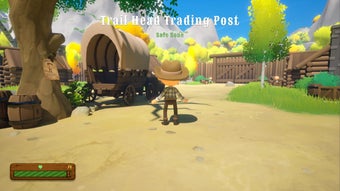
Navigate a physics-driven frontier in a shared wagon, repairing breaks, rationing supplies, and surviving random disasters across each run. Trail & Error, from Oberha5li Studios, places up to eight players in a cooperative adventure that foregrounds high-energy social play. The game pairs physics-based movement and wagon management with stylized 3D visuals and a deliberately humorous tone. It fits players who enjoy tense, short-session multiplayer runs and emergent moments born from poor coordination.
The run is a cooperative, physics-led challenge that punishes miscoordination
In this game, players manage a wagon together while dealing with physics-based movement and interaction mechanics. The core loop asks teams to keep the wagon moving, repair damage, and allocate limited supplies. The studio documents support for one to eight players, so single-player and large-group runs share the same systems. Resource and supply management are explicit win conditions: failing to maintain them ends a run.
Multiplayer scale and social friction shape every session
In this game, the multiplayer design intentionally produces chaotic social dynamics. The developer notes "fun chaos" and built "intentional social friction" into mechanics that force simultaneous decisions under pressure. Creative direction from deadmau5 influences the tone, which frames risky choices as comedic rather than purely punitive. Matches therefore reward coordination, and they create memorable failures when communication breaks down.
Presentation leans into cartoony visuals and dynamic disasters
In this game, stylized 3D cartoony art and a humorous atmosphere set expectations for playful failure. Dynamic random events and environmental disasters change each run, so encounters vary between sessions. The physics-based failures that players mention in community feedback align with the game's visual and audio choices, which emphasize spectacle during crashes, repairs, and collapses rather than photorealism.
Progression and replayability depend on randomness and tight resource loops
In this game, replay value comes from its system of random events and the depth of wagon management and repair mechanics. Runs play differently because events and disasters vary, making each attempt a distinct challenge. Resource scarcity and repair priorities create short-term goals inside each run, which suits players who prefer repeated runs rather than long, single-sit campaigns.
Recommended for groups who enjoy chaotic, cooperative sessions
Trail & Error is a lively pick for players who want short, high-tension multiplayer runs that produce memorable, social moments. Expect the game to demand clear communication and to stress group coordination. Because it is in early access, balance and event tuning will change over time, so players seeking a stable, final version should plan accordingly. Fans of emergent multiplayer chaos should find plenty to try.